By The End of the World Bon Vivant
This guide contains affiliate links: if you book through them, we may earn a commission at no extra cost to you.
Malbec has an unusual biography. It grew up in France, nearly vanished from the spotlight there, emigrated to South America and became a star. Here is what you need to know before your next glass, and where to go next.
Keep it on the fridge: get our free Malbec Pairing Cheat Sheet.
A French grape with an Argentine passport
Malbec comes from southwest France, where it is also known as Côt. Its Argentine chapter starts in the 1850s with Michel Aimé Pouget, a French agronomist hired to set up an agricultural school in Mendoza. On April 17, 1853, the project for that school went before Mendoza's provincial legislature, which is why April 17 is now Malbec World Day.
Today, figures from Argentina's wine authority, the INV, put Malbec at about 47,000 hectares, roughly a quarter of the country's vineyards.
What it tastes like, and where to taste it
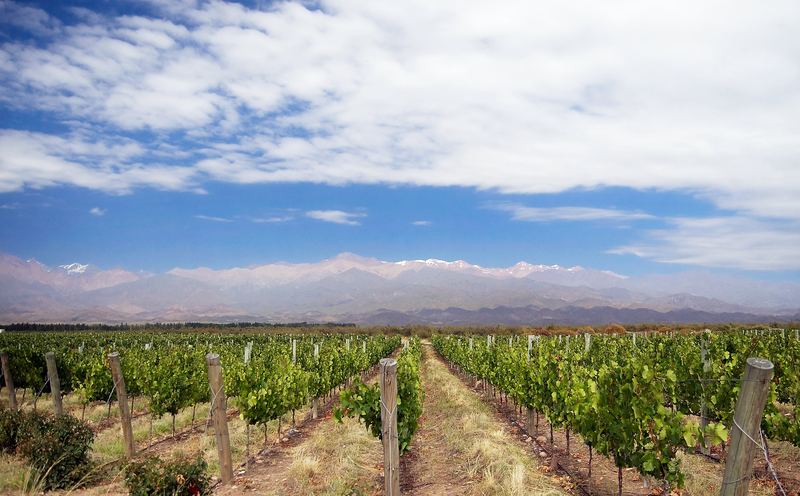
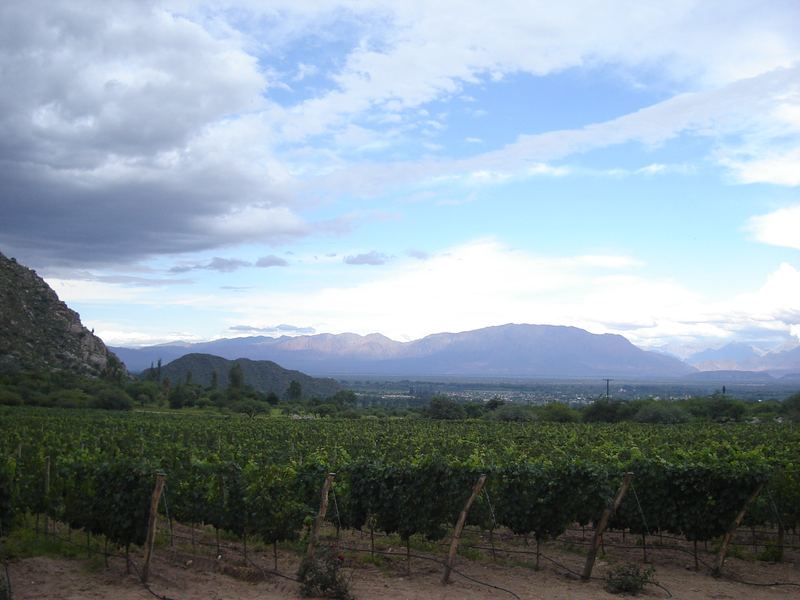
Most Argentine Malbec smells of plum, blackberry and cherry. The real differences come from where it grows, and you can taste each style on a tour:
- Maipú: warmer, ripe and round. Take the Maipú wine bus, from about €30.
- Luján de Cuyo: the classic heartland, with dark fruit and spice. Take the Malbec tour of Luján de Cuyo, from about €27.
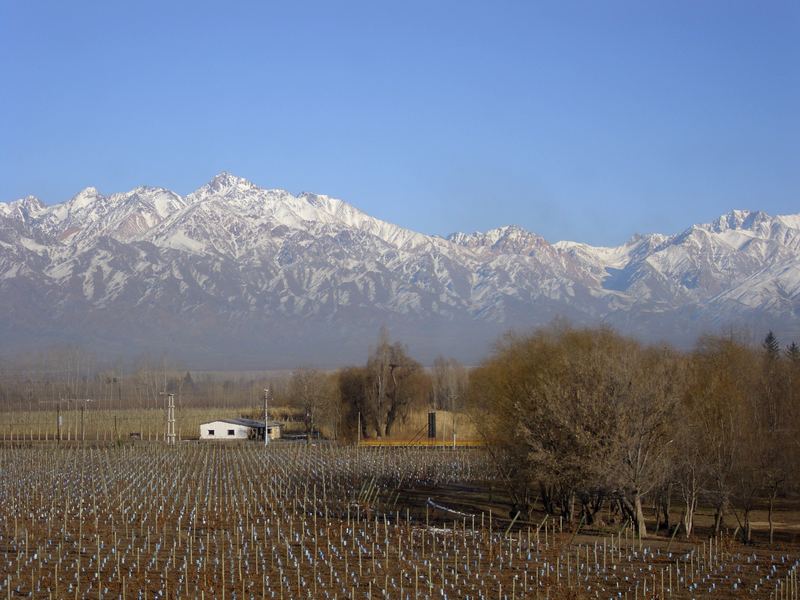
- Valle de Uco: cool and high, fresher and firmer. Take the North Uco Valley route, from about €40.
- Patagonia: lighter and brighter. Read our guide to Patagonian wine.
Prices were checked on November 6, 2026 and change often, so confirm before you book.
How to read the label in ten seconds
- Look for the place. "Mendoza" is broad. "Gualtallary" or "Paraje Altamira" is more specific, and usually more ambitious.
- Treat "Reserva" with caution. It says little about quality on its own.
- Check the vintage. For everyday bottles, younger is usually better.
- Look at the alcohol. A high number often signals a riper, fuller style.
What to eat with it
The classic answer is grilled beef, and the classic answer is correct. Empanadas and pizza suit everyday bottles, and roast lamb or mushrooms suit more serious ones. Skip delicate fish, unless you enjoy conflict. In Mendoza, you can do it properly at an Argentine asado dinner, from about €79.
How to serve it
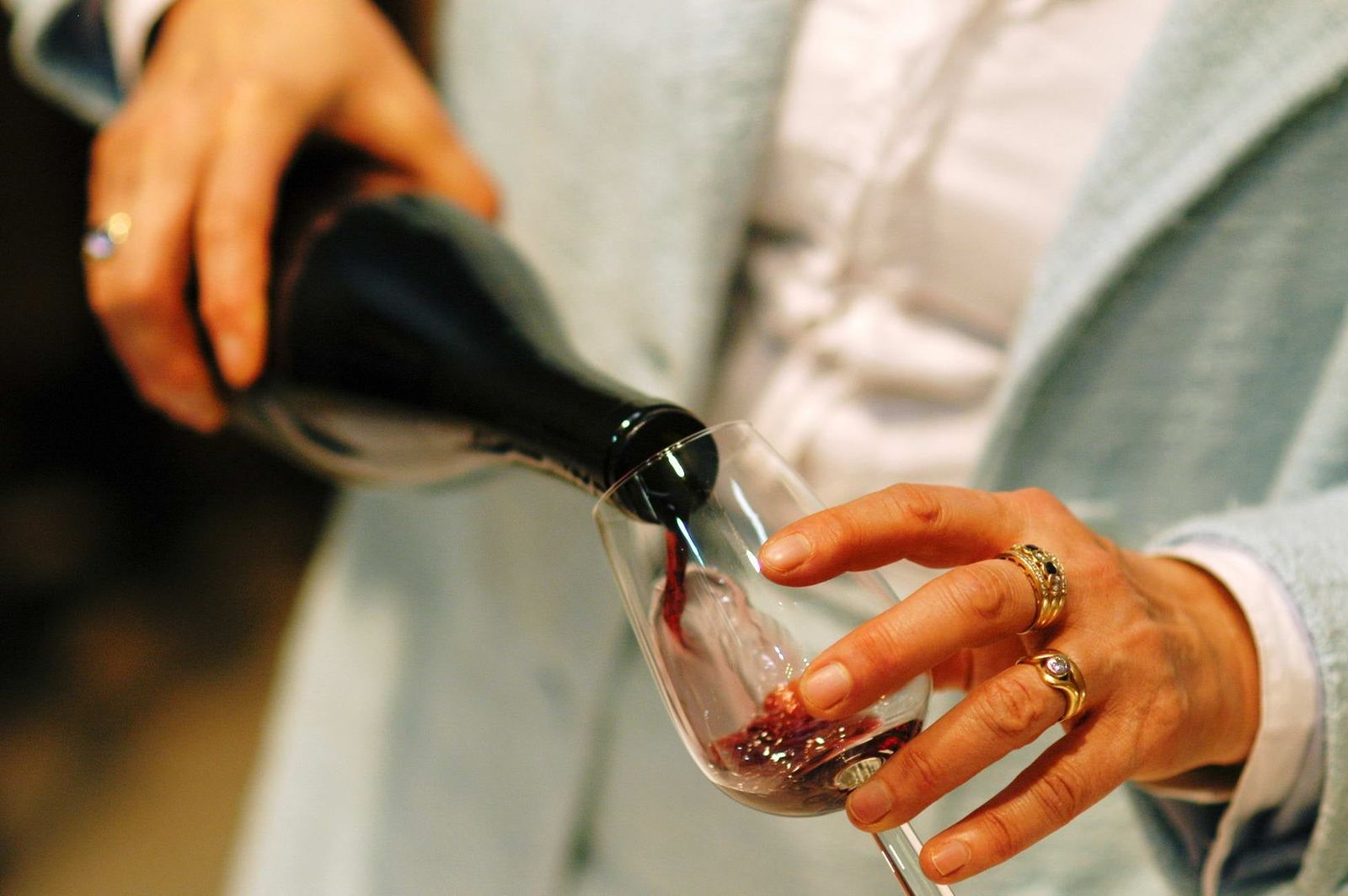
Slightly cool is better than room temperature: around 16 to 18°C (60 to 65°F). A big glass helps. See the glass guide.
Keep going
- Remember what you liked: The Bon Vivant Tasting Journal, a printable PDF for USD 4.99.
- Read the book: Malbec: Pour First, Explain Later, coming soon.
- Go to the source: Mendoza in 3 days.
Sources: INV data via Wines of Argentina, Argentine Ministry of Foreign Affairs (Malbec World Day), Wine Folly, Decanter. Tours are sold and run by our partners, under their own terms.